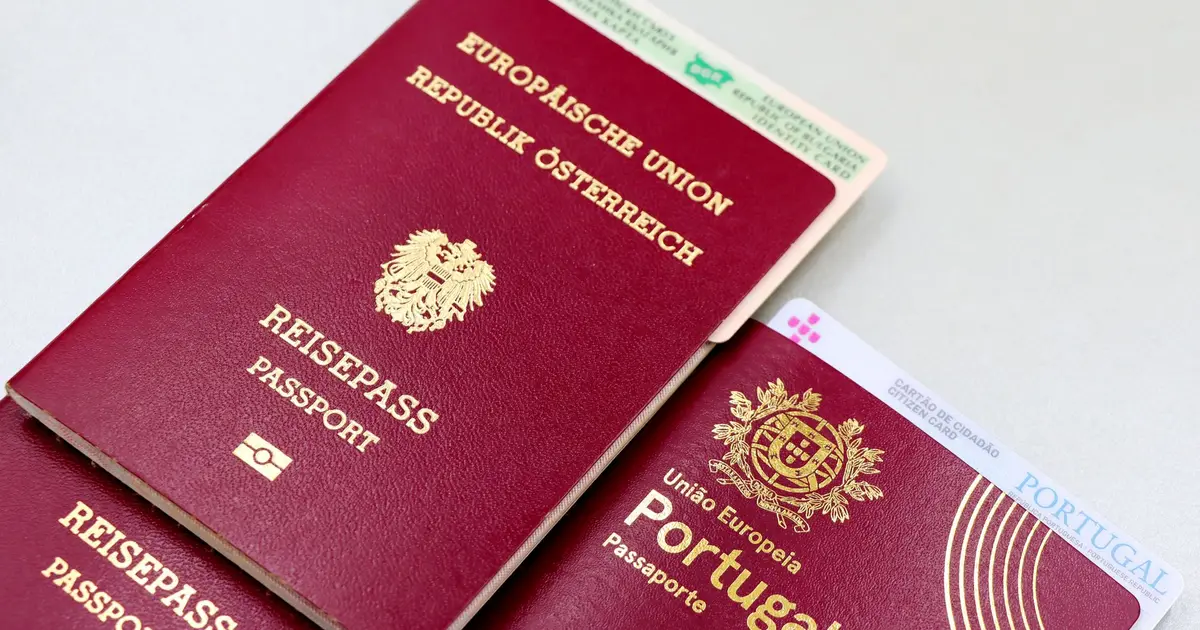
KYC and identity verification: why the first withdrawal takes longer
The first withdrawal isn't slow because of the payment rail — it's the moment the operator finally runs KYC and AML checks. We explain which documents are asked for, why the name must match, and how to verify your account right after signup.
The first withdrawal at a Trustly casino almost always takes longer than every one after it — and, surprisingly, the bank and the payment method are not to blame. The moment is. That is when the operator finally opens your file and runs the mandatory identity check. Money moves by bank transfer in minutes. The person reviewing your documents by hand does not.
This article explains what KYC and AML checks actually are, and why they are a legal obligation on a licensed operator rather than the casino being difficult. We cover which documents get asked for and what each one really proves, why the name on the bank account must match the account holder, how the Pay N Play flow front-loads part of the work — and above all: how to verify your account right after signup, so that the first withdrawal isn't the first time anyone looks at your file at all.
Quick summary
- KYC at a casino (Know Your Customer) and AML, meaning anti-money-laundering, are licence conditions — not an obstacle the operator invented.
- The first withdrawal is usually the event that triggers the check. That's where the wait comes from.
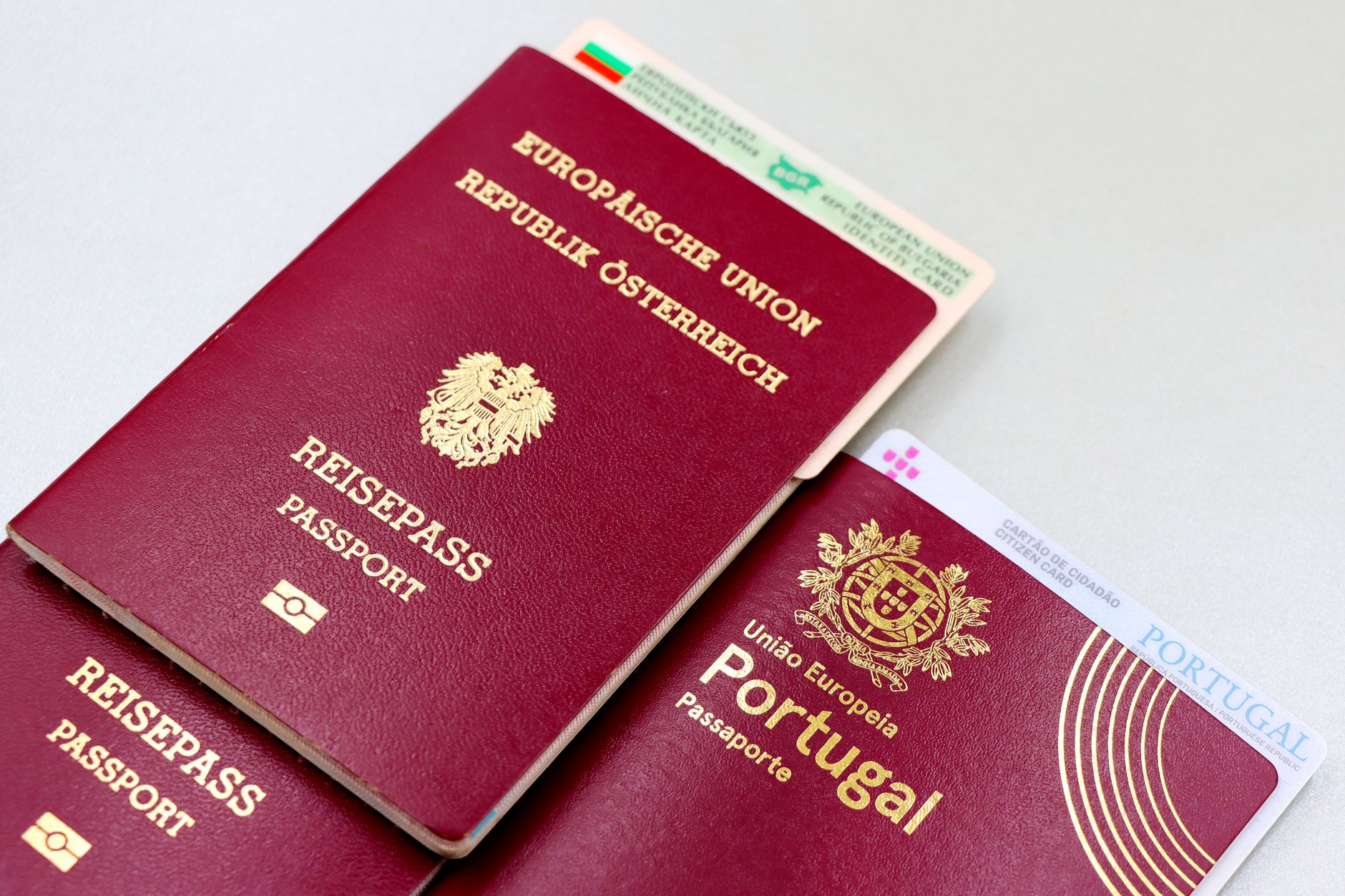
- The standard set: an identity document, proof of address, proof of payment method. For larger sums, source-of-funds proof is added.
- The name on the bank account must match the name on the player account. Third-party payments are refused — a classic reason for a frozen withdrawal.
- The Pay N Play / Trustly flow moves part of the identification into the bank login, but it does not remove the check.
- Documents are mostly reviewed manually by a human, and weekend queues are longer.
- The one thing genuinely under your control: complete verification right after signup.
What KYC and AML checks are, and why the casino requires them
Identity verification at a casino is not a security measure the operator dreamed up. KYC, or Know Your Customer, means a licensed company has to know who its customer is: who you are, where you live, and that you genuinely own this account and this payment method. AML — anti-money-laundering and counter-terrorist-financing — is the other side of the same coin: the duty to make sure that money moving through the account has an explainable origin.
In Estonia, gambling is regulated by the Estonian Tax and Customs Board (EMTA), and a licence comes bundled with obligations, not without them. An operator that fails them risks fines and losing the licence. That is exactly why support cannot say "skip this step" — what they are facing is not company policy but a legal requirement. The terms themselves are explained in the glossary: KYC.
What this means for a player in practice
Three things. First: you submit documents once, properly. Second: the operator keeps them, and later withdrawal requests usually move smoothly. Third — and it pays to know this up front — the check is not necessarily a one-off event. With larger sums, an unusual playing pattern or changed details, an operator can ask for further proof much later. This is called enhanced due diligence, and it does not automatically mean you are suspected of anything.
KYC documents: what each one proves
| Identity document (ID card, passport, driving licence) | That you are who you claim to be: name, date of birth, photo, document number and expiry. It must be valid and photographed so that all four corners are in frame. |
|---|---|
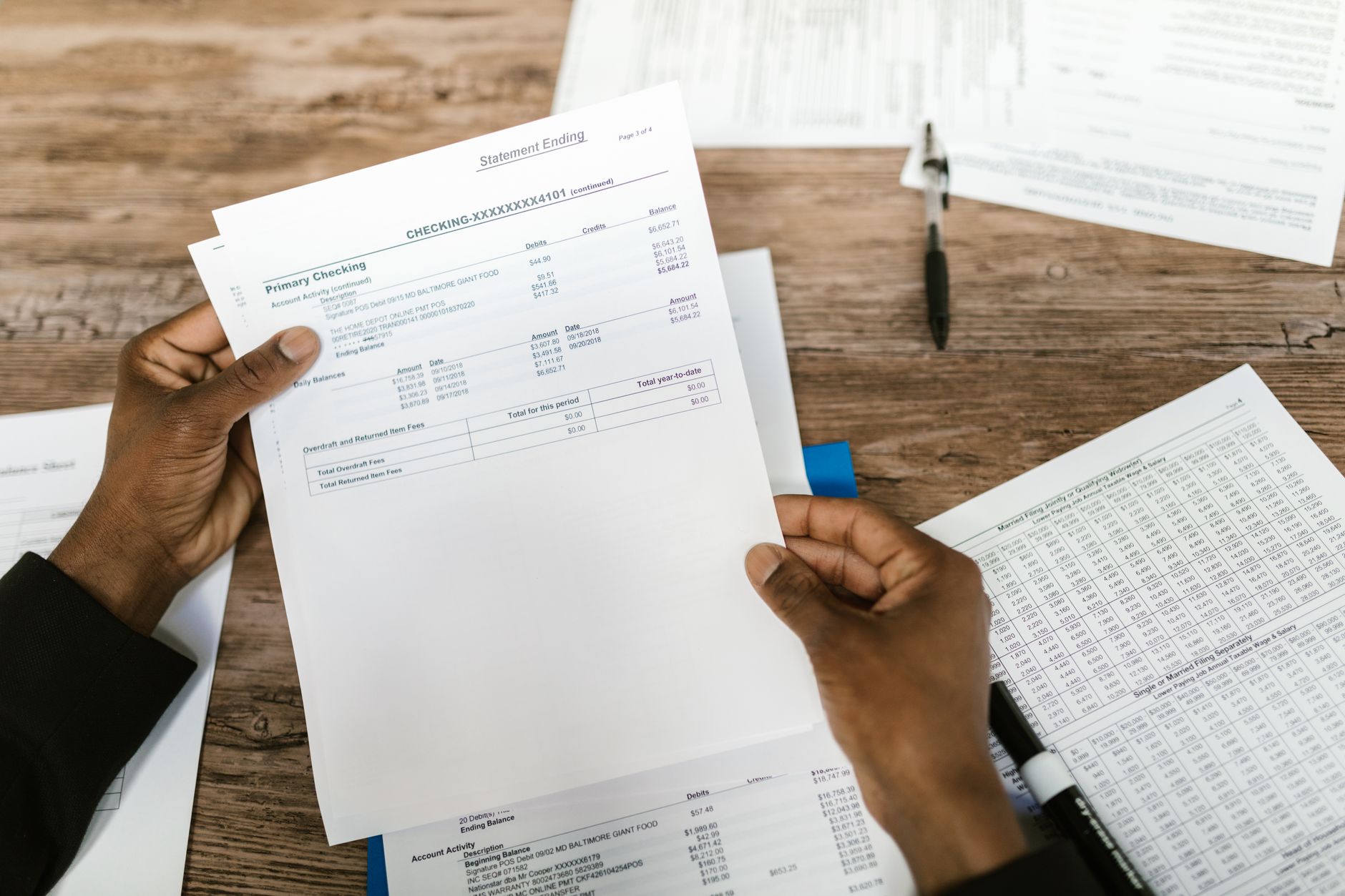
| Proof of address (utility bill, bank statement, official letter) | That your address is real and the jurisdiction is permitted. Usually a recent document is required, showing your name, address and issue date at the same time. |
| Proof of payment method (bank statement or a photo of the card) | That the payment method belongs to you. The IBAN and the name must match the player account details — this is where third-party payments surface. |
| Source-of-funds proof (payslip, bank statement, transaction document) | For larger sums: where the money you play with comes from. This is the step that surprises players most, and the one that takes longest to prepare. |
| Selfie with the document or video identification | Some operators add a liveness check, so the document is genuinely in your hands and not a file received from someone else. |
Why the first withdrawal takes a long time
This is where expectation and reality diverge. The first withdrawal isn't slow because the bank transfer is slow — a Trustly transfer itself is typically fast, often minutes to a couple of hours. The slow step comes before it: the casino's approval queue, where somebody looks at your file properly for the first time.
At deposit time the operator has little reason to scrutinise you: money is coming in and the risk is low. The withdrawal request is the trigger — that's when the operator has to be sure it is paying the right person into the right account. So the honest answer to why the withdrawal takes so long is simple: because it's the first time your documents get looked at at all.
What affects the timing
- Whether documents have already been submitted and approved. By far the biggest factor.
- Whether a human reviews it manually. Usually yes, at least in part.
- Time of day and day of the week: weekend and holiday queues tend to be longer, because the verification team is smaller.
- The size of the withdrawal: a larger sum can trigger a source-of-funds check.
- Whether the operator processes withdrawals in batches at fixed times.
What actually happens after approval, and how long the money is in transit, is written up in Trustly withdrawal times. Always check a specific casino's approval window in its own terms — they differ between operators and change over time.
The simplest way to speed up the first withdrawal is to submit documents immediately after signing up, not once a win is already sitting in the account. If the file is approved before the first withdrawal request, all that is left of the wait is the payment itself moving. Most operators let you upload documents through account settings or a verification tab before they are formally requested.
The name must match: why third-party payments are refused
This is one of the most common reasons for a frozen withdrawal, and a painful one to sort out after the fact. The player account holder and the bank account name must be the same person. If the deposit came from a spouse's, a friend's or a parent's account, that is a third-party payment, and AML rules do not allow the operator to accept it or pay back into it.
The consequence is usually not "a slightly delayed payment" but the request being cancelled until the situation is clarified, and the money returned to the original account. The same logic applies to joint accounts, business accounts and some e-wallets where the name isn't unambiguously tied to you. Before your first deposit, check that the IBAN you are paying from is genuinely in your name.
Rule of thumb: money comes in and goes back out under exactly the same name. Any deviation from that is friction — and friction means waiting time.
Pay N Play and Trustly: less friction, but not zero
The Pay N Play flow is built so that you never fill in a registration form at all: you log into your bank, make a deposit, and the account is created from the data the bank returns. Because the bank has already identified you, part of the KYC documents requirement is effectively satisfied automatically — name, personal identification code, bank account holder. That is a real advantage rather than marketing talk, and the mechanics are explained in more depth on how Trustly works and in the comparison Pay N Play vs a regular account.
But it does not mean there is no check. A bank login proves identity and account ownership. It does not automatically prove where you live, nor where the money came from. With a larger win, an unusual pattern or an additional risk assessment, the operator will still ask for documents. The honest phrasing is this: Pay N Play moves part of the work forward and reduces friction, but it does not release the operator from its AML obligation.
What Pay N Play usually does NOT replace
- Proof of address, if the operator requires it separately.
- Source-of-funds proof for larger sums.
- A further check that triggers later, if something in your profile changes.
Source of funds: the AML check that catches people out
As sums grow, an operator may ask for source-of-funds proof — a document showing where the money you play with comes from. In practice that means a payslip, a bank statement, or a document covering dividends, an inheritance or a sale. Many players experience this as an intrusion into their private life, and that reaction is humanly understandable. Legally it is an AML check that the law demands directly of the operator, and refusing it usually means the withdrawal is not released.
Two things help. First: the earlier you know it can happen, the less it surprises you and the calmer your response. Second: if you play with sums that are large relative to your ordinary cash flow, assume you will be asked rather than hoping you won't. And if you are not prepared to hand a particular document to anyone, it is better to know that before playing, not after a win.

Common rejection reasons, and what a re-request means
Most rejections are not suspicion. They are quality problems: the document came back because it couldn't be read, or because it didn't prove what was needed. A re-request usually means exactly that and nothing more — take the photo again, properly. The bad news is that every round trip puts you back at the end of the queue and adds days.
If a document is rejected
- Read the reason carefully — it almost always says what specifically was wrong.
- Fix that exact thing. Don't resend the same file hoping a different reviewer will see it differently.
- Shoot in even light, on a flat dark surface, with no shadow or glare.
- Ask support if the reason stays unclear. That's faster than a blind third attempt.
What passes and what gets rejected
Pros
- A sharp photo or scan with all four corners in frame
- A valid document with a clearly legible expiry date
- The original document on a table, not a picture of another screen
- A recent proof of address carrying your name, address and a date
- A bank statement where the IBAN and the account holder's name are visible
- The name in exactly the same form on every document as on the player account
Cons
- A blurry, motion-smeared or badly lit photo
- Cropped corners or an edge of the document left out of frame
- An expired document past its validity date
- A screenshot of a banking app when an official statement is required
- An address on the document that doesn't match the one on the account
- A name that differs: maiden name, an abbreviation, or a different spelling
- Covered, crookedly cropped or edited fields
How to get casino verification done early
The most practical part. Casino verification is a task that takes five minutes at the right moment and costs you days at the wrong one.
- Register the account with your real details — exactly as they appear on your identity document.
- Check that the address on the account matches the address your proof of address shows.
- Open account settings and find the verification or documents section. Upload the documents straight away, even if nobody has asked yet.
- Only use a payment method that is in your own name.
- Prepare the files: both sides of the document, a recent proof of address, a bank statement if needed.
- If you plan to play with larger sums, think through the source-of-funds document in advance.
- Make sure you get confirmation that the account is approved before your first withdrawal request.
When choosing a new casino, it's worth taking the smoothness of verification as seriously as payout times. Our methodology explains what we assess, and the fast withdrawals comparison gathers the operators whose process tends to be quicker.
Data protection: what happens to your documents
A fair question. You hand a stranger's company a photo of your ID card and a bank statement. What happens to them next?
A licensed operator works under EU data protection rules (GDPR). That means data may be collected for a specific purpose, it must be protected, and access must be limited. At the same time there is an AML-derived obligation to retain that data for a certain period — so "delete my documents right now" is not always something an operator is allowed to do, even if it wanted to. The two rule sets work together, not against each other.
The honest assessment is this: the rules exist, and an operator with a licence has a strong reason to follow them, because losing the licence costs more than any alternative. But no rule is a guarantee in itself. The practical conclusion is simple — only submit documents to licensed operators, use the operator's own secure upload form rather than email or a chat window, and read what the privacy policy says about retention periods.
A verified account makes the first withdrawal fast. Our comparison shows which Trustly casinos have the smoothest withdrawal process — no marketing noise, verified facts.
Responsible gambling
The source-of-funds question is also a moment for a player to pause and ask honestly: are the sums I play with reasonable relative to my ordinary cash flow? If the answer is uncomfortable, the problem isn't the document.
In Estonia the gambling age limit is 21+. Set limits before you play, not after, and use the operator's own tools: deposit limit, time limit, self-exclusion. You'll find more practical guidance in responsible gambling and limits. If playing is no longer entertainment, help is available.
Frequently asked questions
Why does the casino only ask for documents at the first withdrawal?
Because the withdrawal request is what triggers the check. At deposit time the operator has little reason to scrutinise you — money is coming in. At withdrawal time it must be sure it is paying the right person into the right account. That's why the first withdrawal feels slow: it's the first time anyone genuinely looks at your file.
How long does a KYC check take?
It depends on the operator and the queue, so no single number should be taken as a promise. The check is mostly done by a human, so weekend and holiday waits are longer than a weekday morning. If the documents are in order and were submitted early, approval is usually quick. Every rejected document starts the round again.
Which KYC documents does a casino usually ask for?
The standard set is three: an identity document (ID card, passport or driving licence), proof of address (usually a recent utility bill or bank statement) and proof of payment method. For larger sums or an additional risk assessment, source-of-funds proof is added. Some operators also ask for a selfie with the document or video identification.
Is identity verification needed at a Pay N Play casino?
Yes, but there's less friction. The bank login proves identity and bank account ownership, so part of the work is done up front. It doesn't automatically prove your address or where the money came from. With a larger win or an unusual pattern, a Pay N Play operator will ask for documents too — the AML obligation doesn't disappear.
Why was my document rejected?
Most often for technical reasons rather than suspicion: a blurry or smeared photo, corners left out of frame, an expired document, a screenshot instead of an official statement, an address that doesn't match the account, or a name in a different form. Read the reason, fix that exact thing and resend — don't send the same file.
Can I withdraw to someone else's bank account?
No. The account holder and the bank account name must be the same person. Third-party payments are prohibited under AML rules: they are neither accepted nor paid back out. If a deposit arrived from someone else's account, the request is usually cancelled until the situation is clarified. Check your IBAN before the first deposit.
What is source-of-funds proof and when is it asked for?
It is a document showing where the money you play with comes from: a payslip, a bank statement, a sale or inheritance document. It is usually requested for larger sums, or when your playing pattern doesn't fit your profile. It is a legal AML requirement rather than curiosity — and refusing it mostly means the withdrawal is not released.
Can I verify my account before the first withdrawal?
Yes, and it is this article's most practical recommendation. Most operators let you upload documents via account settings or a verification tab right after signup, even if they haven't been requested yet. If the file is already approved, all that remains of the first withdrawal is the payment itself moving.